The institutional event of the LXV Columbian Conference brings together the main regional and island authorities and had the forensic doctor Francisco Etxeberria Gabilondo as official speaker.
Curbelo defended dialogue, territorial cohesion and institutions capable of improving people's lives
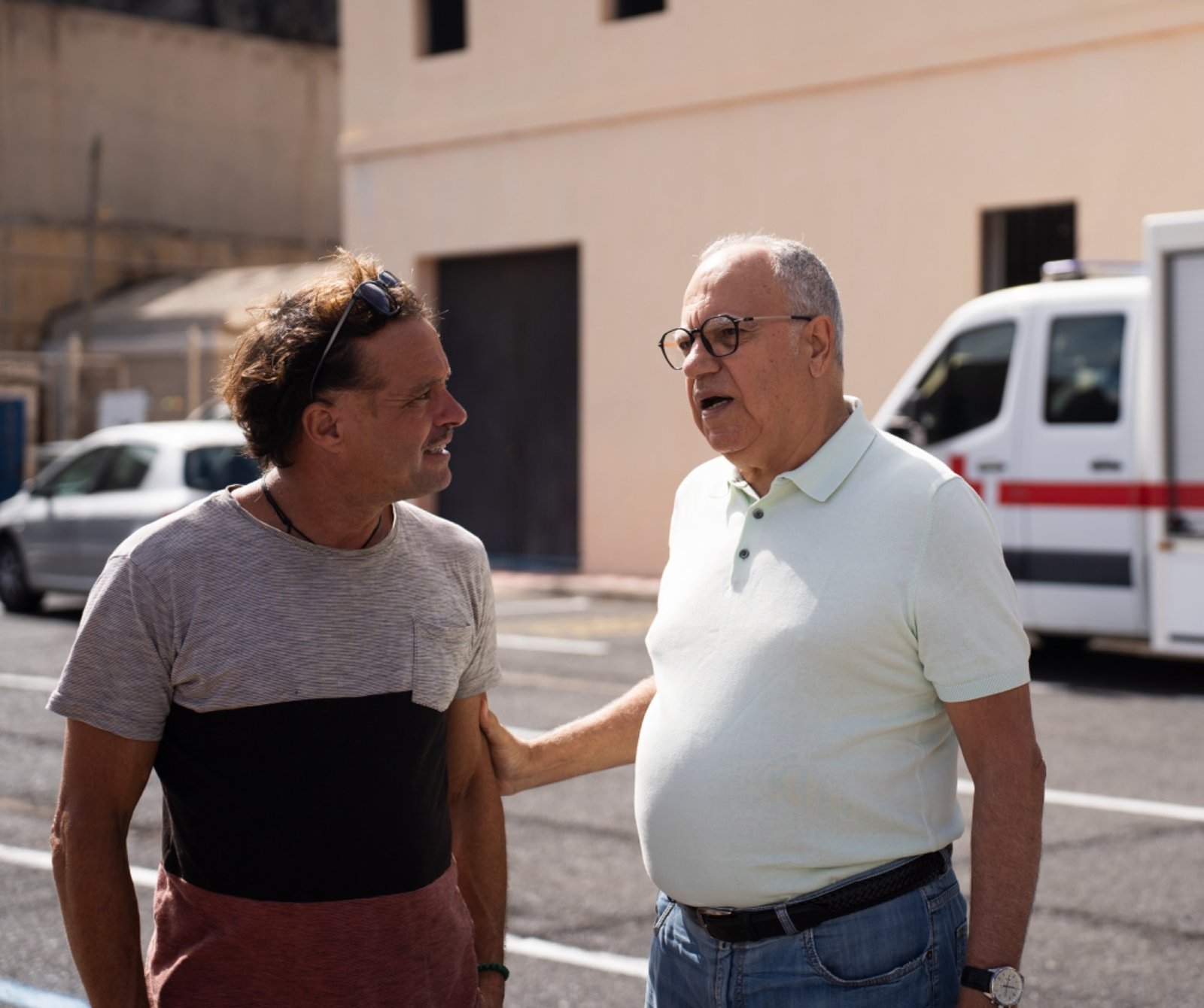
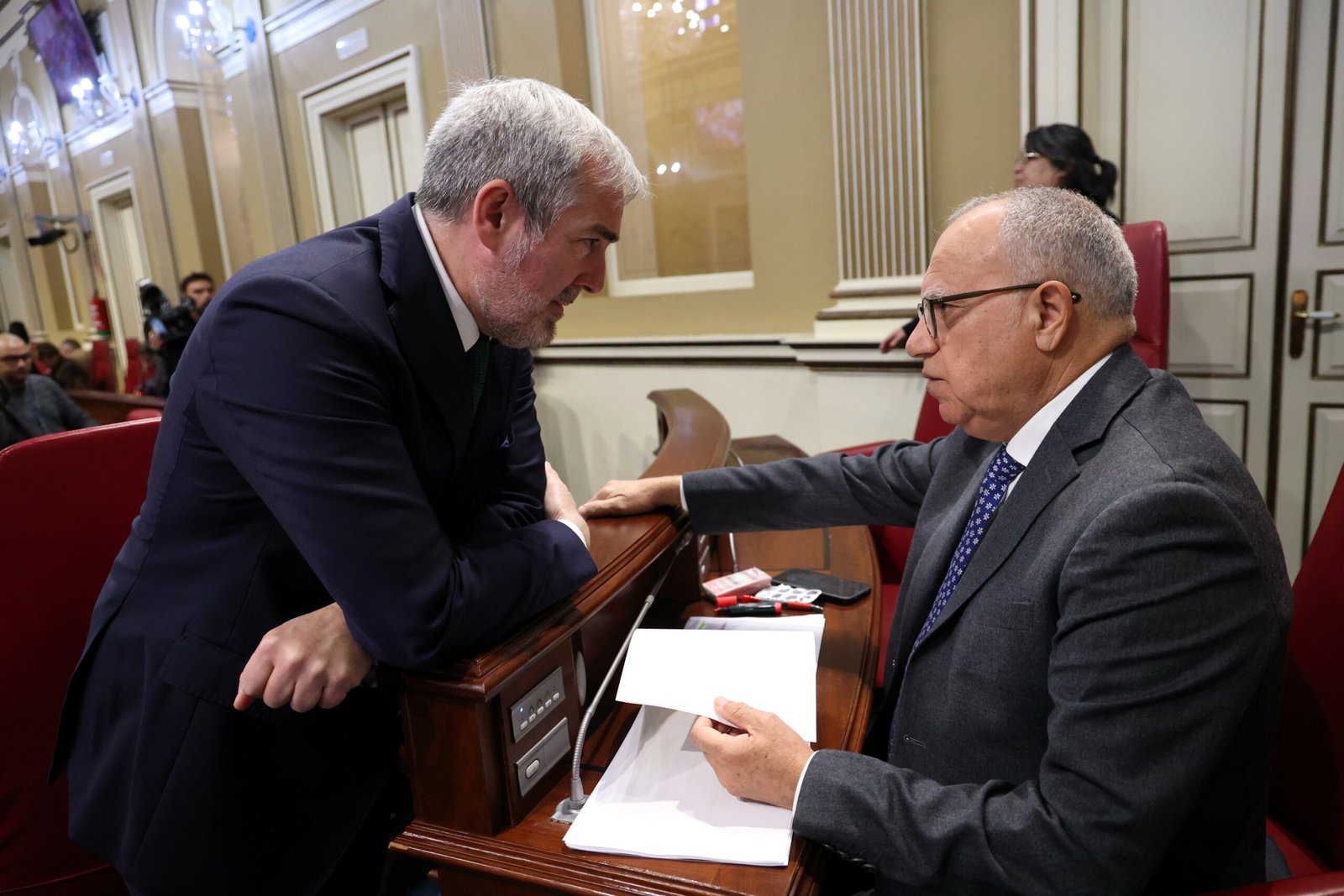
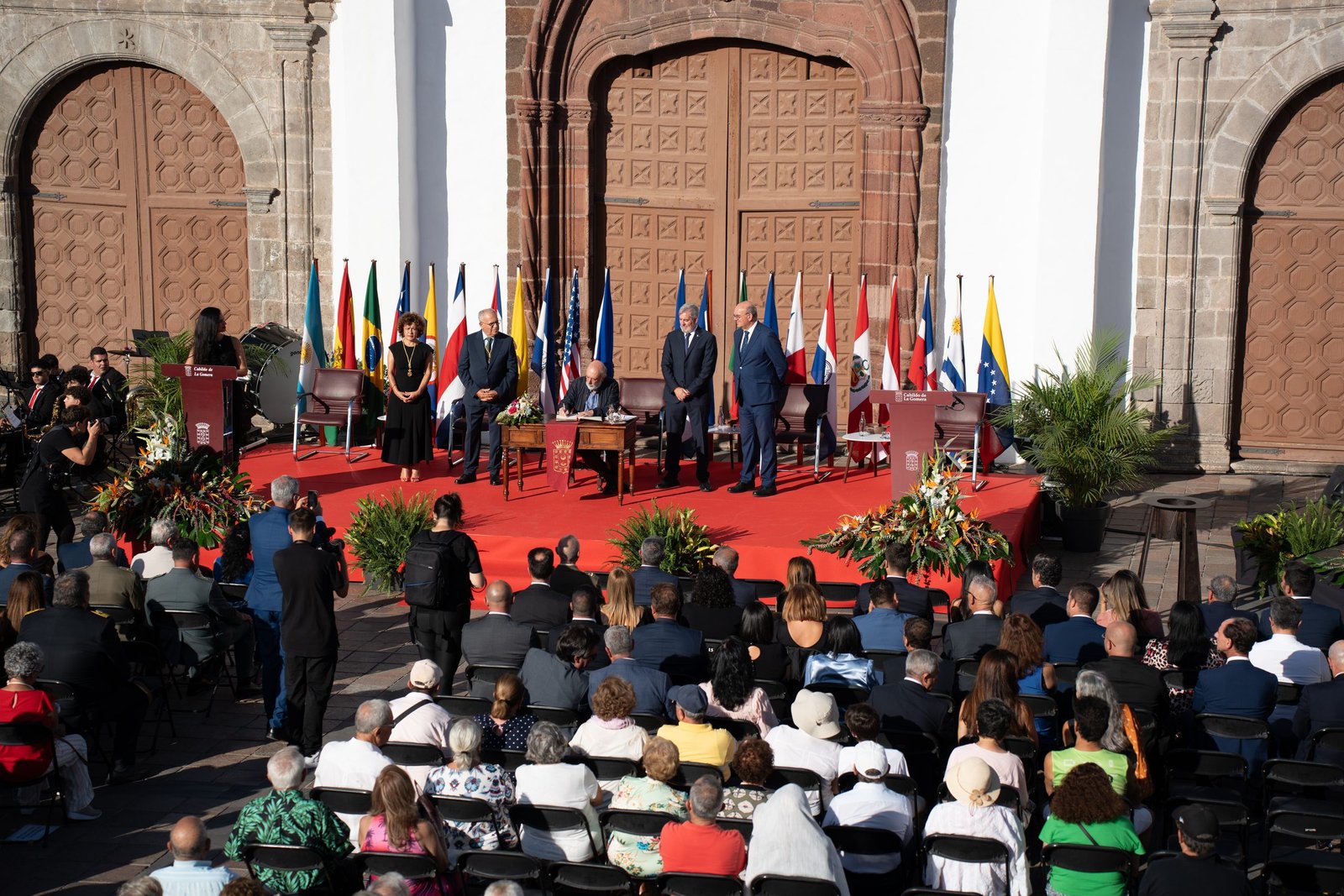
This Sunday, the Plaza de la Iglesia de Nuestra Señora de La Asunción hosted the institutional event of the LXV edition of the Columbian Days, with which La Gomera commemorated the 534th anniversary of Christopher Columbus' departure from the bay of San Sebastián towards America. The meeting brought together the president of the Government of the Canary Islands, Fernando Clavijo, and the president of the Cabildo of La Gomera, Casimiro Curbelo, together with the delegate of the Government of Spain in the Canary Islands, Anselmo Pestana, the mayor of San Sebastián de La Gomera, Angélica Padilla and had Francisco Etxeberria Gabilondo as official speaker.
Under the motto "In the footsteps of History. The value of democracy", the event proposed a reflection on the need to know and preserve historical memory, strengthen coexistence and protect freedoms in the face of misinformation, polarization and loss of trust in institutions.
The president of the Canary Islands, Fernando Clavijo, highlighted the value of La Gomera as a “land of departure and meeting” and pointed out that the Columbian Festivals constitute an opportunity to look at the past with responsibility and reaffirm the values that sustain democratic coexistence. Clavijo recalled the role of the island as the protagonist of events that changed the course of history and defended that today it should once again be a place of meeting and reflection. “Democratic memory is not an exercise in nostalgia, but a commitment to the present and to the generations to come,” he stated.
In this sense, he claimed dialogue, listening and the search for agreements as principles that the Canary Islands must preserve in the face of an international context marked by polarization and the questioning of rights and freedoms. Clavijo also highlighted the progress made in the Canary Islands to recover the truth and dignity of those who were silenced, as well as the scientific and human work that allows us to offer answers to families who have been waiting for decades.
The president especially recognized the career of Francisco Etxeberria and stressed that “memory is not an abstract concept: they are names, stories and families that deserve answers.” Likewise, he recalled the declaration of the old Tefía Penitentiary Center as a Place of Democratic Memory and defended the importance of recovering and preserving these spaces to "remember so as not to repeat and repair to continue advancing in democracy."
Democracy to coexist and improve people's lives
The president of the Cabildo of La Gomera, Casimiro Curbelo, opened his speech by remembering that democracy is a collective construction that requires permanent care. “Democracy is freedom, but also respect, justice and trust,” he stated, before warning that rights and freedoms are not irreversible and can be weakened when public trust deteriorates and dialogue gives way to confrontation.
Curbelo defended the Columbian Days as a space to think, listen and debate with serenity from an island that has been a crossroads of routes and cultures for more than five centuries. “A solid democracy does not need citizens who think alike, but citizens capable of coexisting from differences,” he stressed. In the face of polarization and disqualification, he vindicated the culture of dialogue, consensus and a policy aimed at solving problems and serving the general interest.
The island president also linked democratic quality with the capacity of institutions to improve daily life. He pointed out that democracy becomes tangible when it guarantees quality healthcare and education, opportunities for young people, housing and employment, decent care for the elderly, protection for those who are in vulnerable situations and justice that responds with equality, closeness and transparency.
In this context, he insisted that territorial cohesion is a democratic requirement for the Canary Islands. Curbelo recalled the costs of distance and double insularity and maintained that equality requires responses adapted to different realities. “Defending La Gomera has never meant claiming privileges, but rather demanding that living on a non-capital island does not limit anyone's future,” he stressed.
He also appealed to the memory of the generations that experienced scarcity, emigration and sacrifice, and defended democratic memory as a commitment to the truth, the dignity of the victims and freedoms. This historical experience, he added, should help the Canary Islands face current migrations with legality, humanity and a response of solidarity and shared between Europe, the State and the autonomous communities.
Memory, science and human rights
The official conference was given by Francisco Etxeberria Gabilondo, a doctor specializing in Legal and Forensic Medicine and forensic anthropologist, whose career is linked to the investigation of missing persons, the recovery of democratic memory and the dignity of the victims. In this sense, he placed special emphasis on human rights and the role that forensic experts play “to provide objectivity” and resolve part of the unknowns of history.
An act of memory and brotherhood
The event began with the speaker signing the Book of Honor, followed by the traditional raising of flags and the performance of the official anthems. Subsequently, tribute was paid to those who died at sea, as well as to emigrants and immigrants, in a gesture of remembrance and brotherhood that is part of the solemn character of the Columbian Days.
The evening also featured performances by José Manuel Ramos and Aborá Cel, who musically accompanied the main institutional event of the Colombian programming.
A reflection from La Gomera for the world
At the closing of his speech, Curbelo vindicated the validity of La Gomera as a meeting point and space from which to contribute to the great debates of the present. He recalled that the Conferences do not look to the past out of nostalgia, but to better understand the present and build the future from knowledge, respect and coexistence.
“The greatness of a territory is not measured by its size, but by the ability to contribute ideas, build bridges and keep hope alive in a shared future,” he concluded.