As part of the Plánta-te socio-forestry project, and in coordination with the Replantea project, students from the Mario Lhermet Rural Education Center (CEO) have taken part in reforestation efforts with native species following the removal of invasive reed beds.
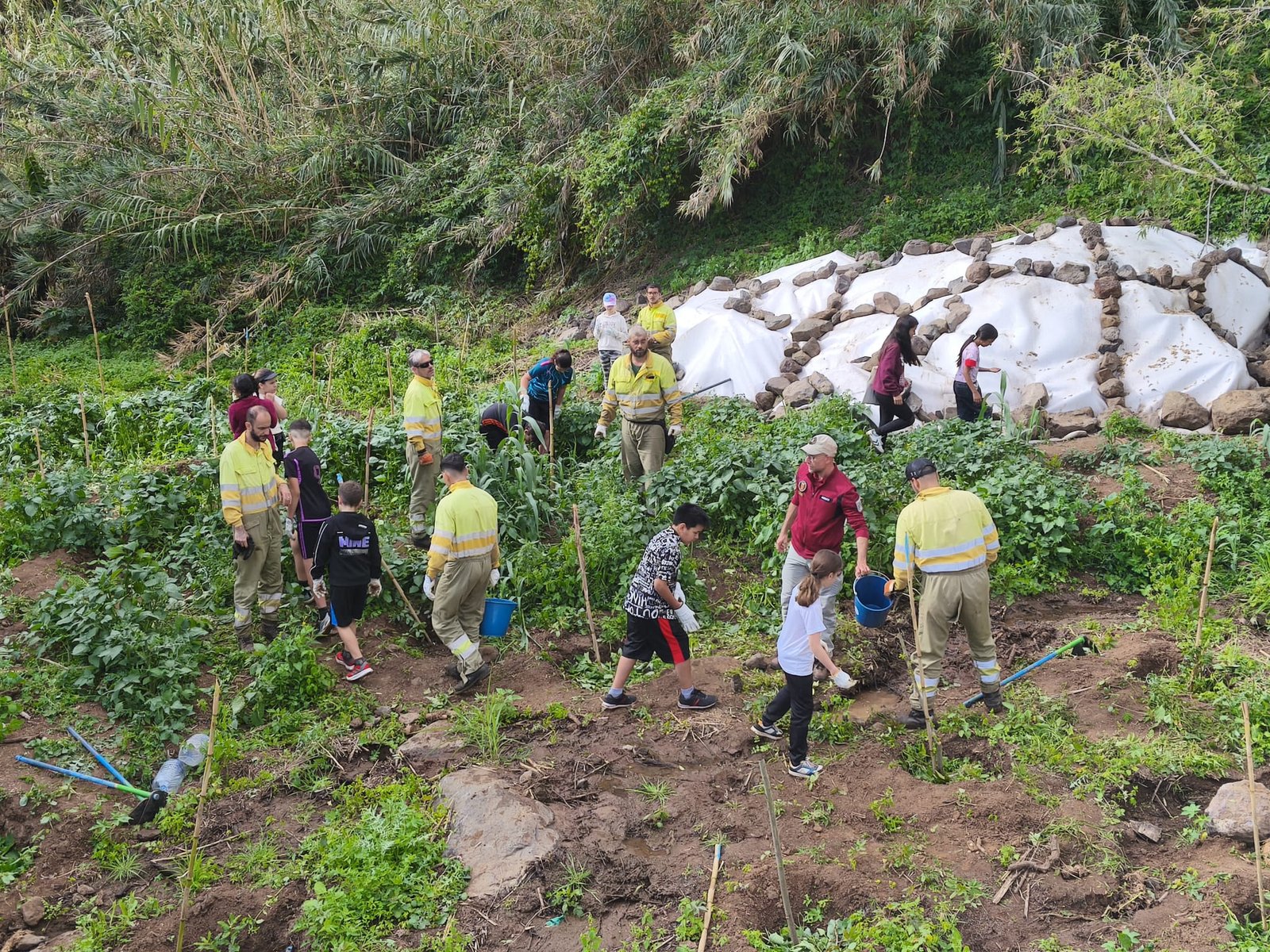
The La Gomera Local Government, through its Environmental Unit, is promoting the restoration of riparian forests with the participation of schoolchildren. As a result, students from the Mario Lhermet School in Hermigua have taken part in the naturalization of riparian forests, an activity that combines the efforts of the Plánta-te and Replantea projects.
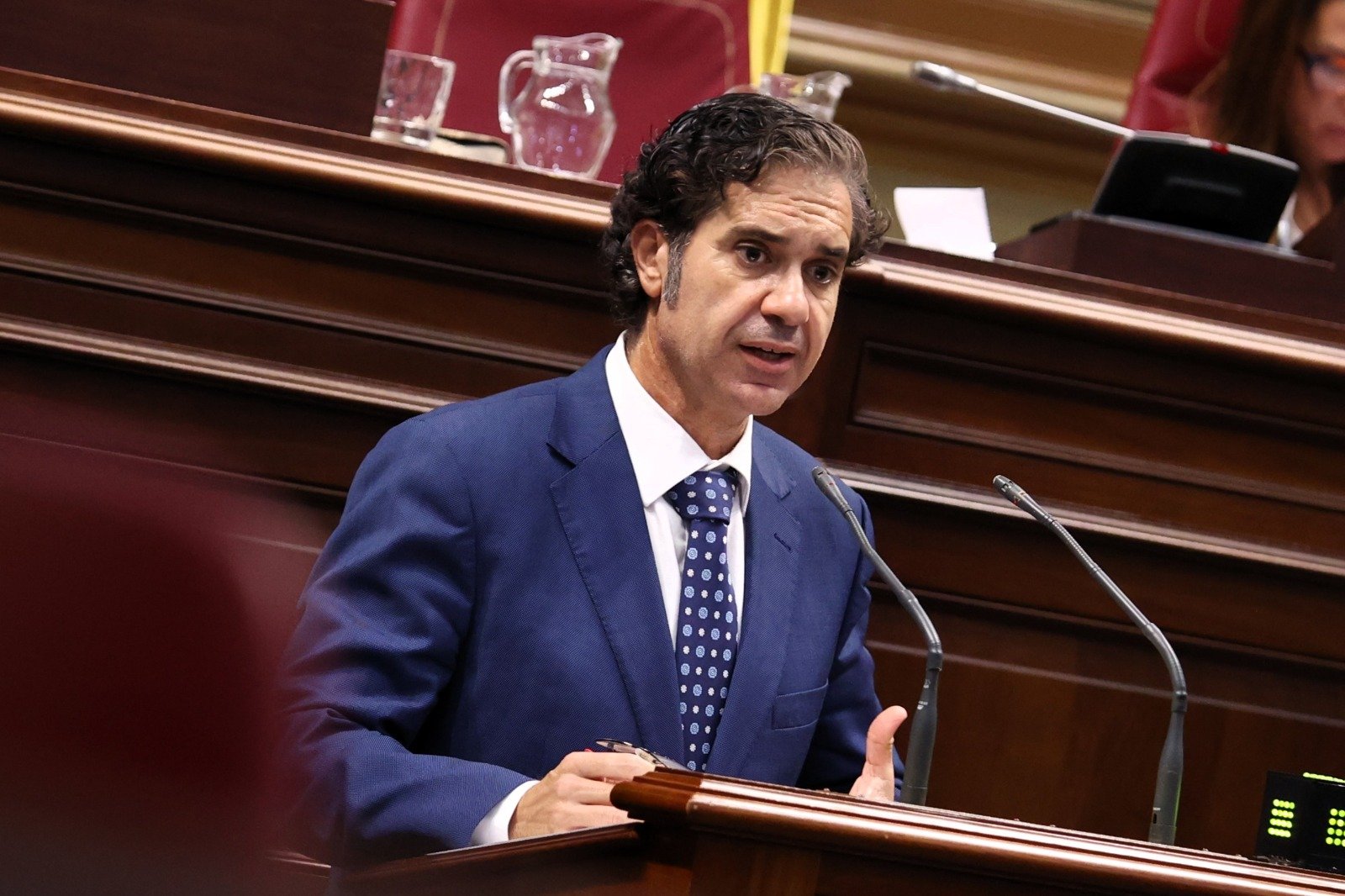
The President of the Cabildo, Casimiro Curbelo, highlighted the educational value of this type of initiative, "which helps to further raise awareness among children about the value of our natural heritage. Carrying out activities like these helps future generations feel like active participants in the solution, with the respect and responsibility that the environment deserves."
This initiative is part of the development of the Plánta-te socio-forestry project, which has become a key tool for the island's government, through the Environment Unit, for reforestation with native species, the fight against invasive flora, and the restoration of thermophilic forests. Meanwhile, the Replantea project for the renaturalization of ravines in Hermigua and Valle Gran Rey, funded by European NextGenerationEU funds and managed through the Biodiversity Foundation of the Ministry for Ecological Transition and the Demographic Challenge, was explained by the Minister for the Environment, Héctor Cabrera.
The event marked the end of the series of activities with the students of the Mario Lhermet Rural Education Center. Having previously worked with elementary and middle school groups, the 7th and 8th grade students completed the practical phase of the training last week.
The activity began with a theoretical talk at the school to raise awareness about the importance of these actions and culminated in a field trip where the young people planted trees in the previously intervened areas.
The Environmental Unit emphasizes the importance of connecting young people to their local environment. By involving the children and young people of Hermigua in the restoration of their own ravines, a lasting emotional bond is created, with the aim that, in the future, they as citizens will feel a sense of ownership of the forest they helped to plant, thereby ensuring respect for and conservation of La Gomera's biodiversity by future generations.
Fire prevention and water restoration
The main goal of these interventions is to naturalize the island's ravines. To this end, giant reeds (Arundo donax), an invasive species that poses a triple threat, have been removed. They are highly flammable, consume large amounts of water resources, and cause dangerous blockages in waterways during periods of heavy rain.
After removing these species, the focus shifts to planting native species typical of riparian forests, restoring the ecosystem's natural balance and improving protection against potential wildfires.