The Cabildo hosted the presentation of the book 'Insular Potteries. El Cercado de La Gomera and Isla de Margarita', a work that highlights the historical, artisanal and cultural links between both territories
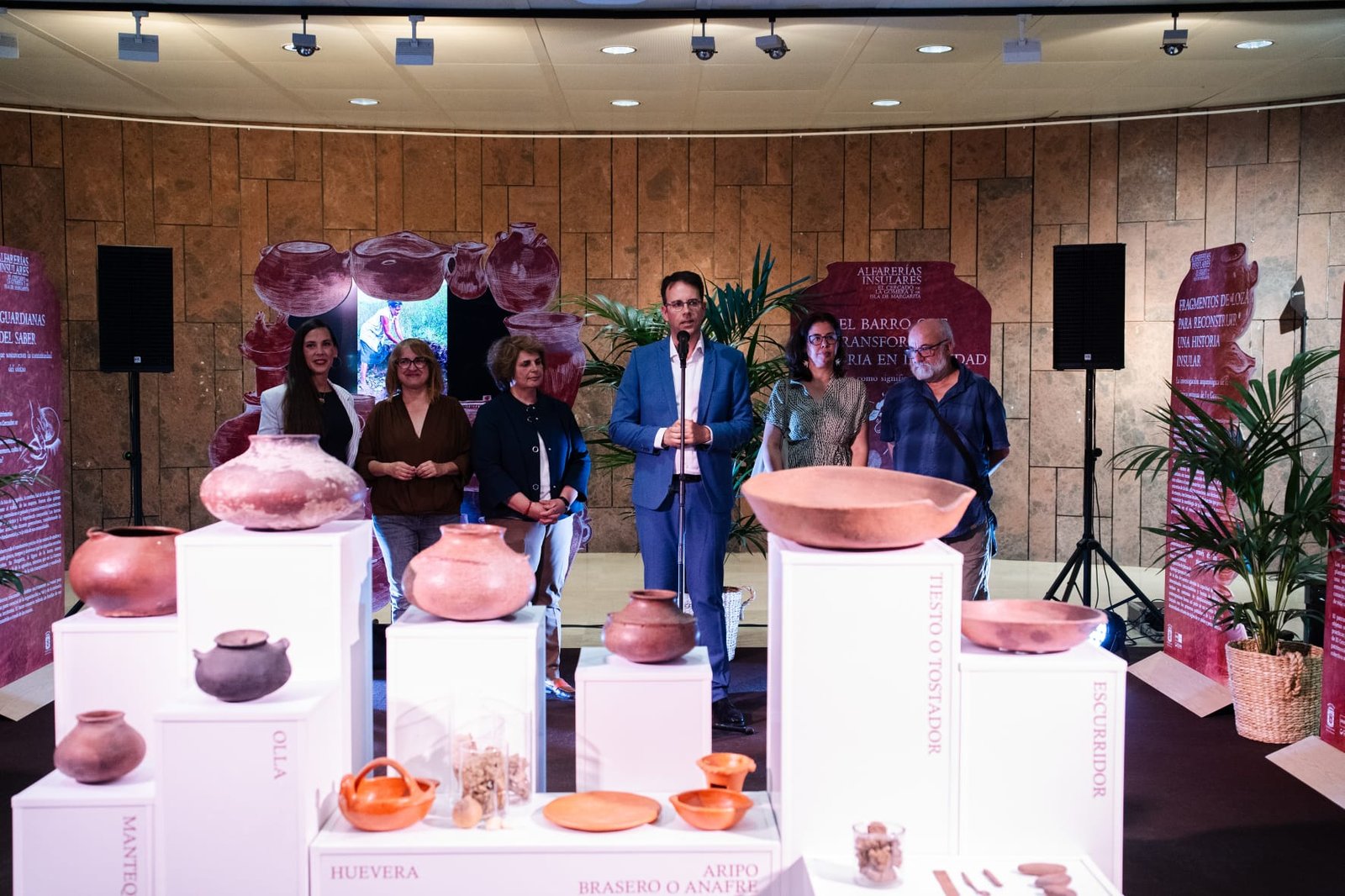
The publication delves into the pottery tradition shared between two island communities connected by memory, craft and identity
The Plenary Hall of the Cabildo of La Gomera yesterday hosted the presentation of the book 'Insular Potteries. El Cercado de La Gomera y de Isla de Margarita', a publication dedicated to the study of the pottery tradition of both territories and the historical and cultural ties that connect the Canary Islands and America through this ancestral craft.
The event also featured the inauguration of an exhibition linked to the contents of the work, which allowed the public to get closer to the material, symbolic and heritage wealth of traditional pottery, with special attention to El Cercado de La Gomera, one of the most representative artisan enclaves of the Gomera identity.
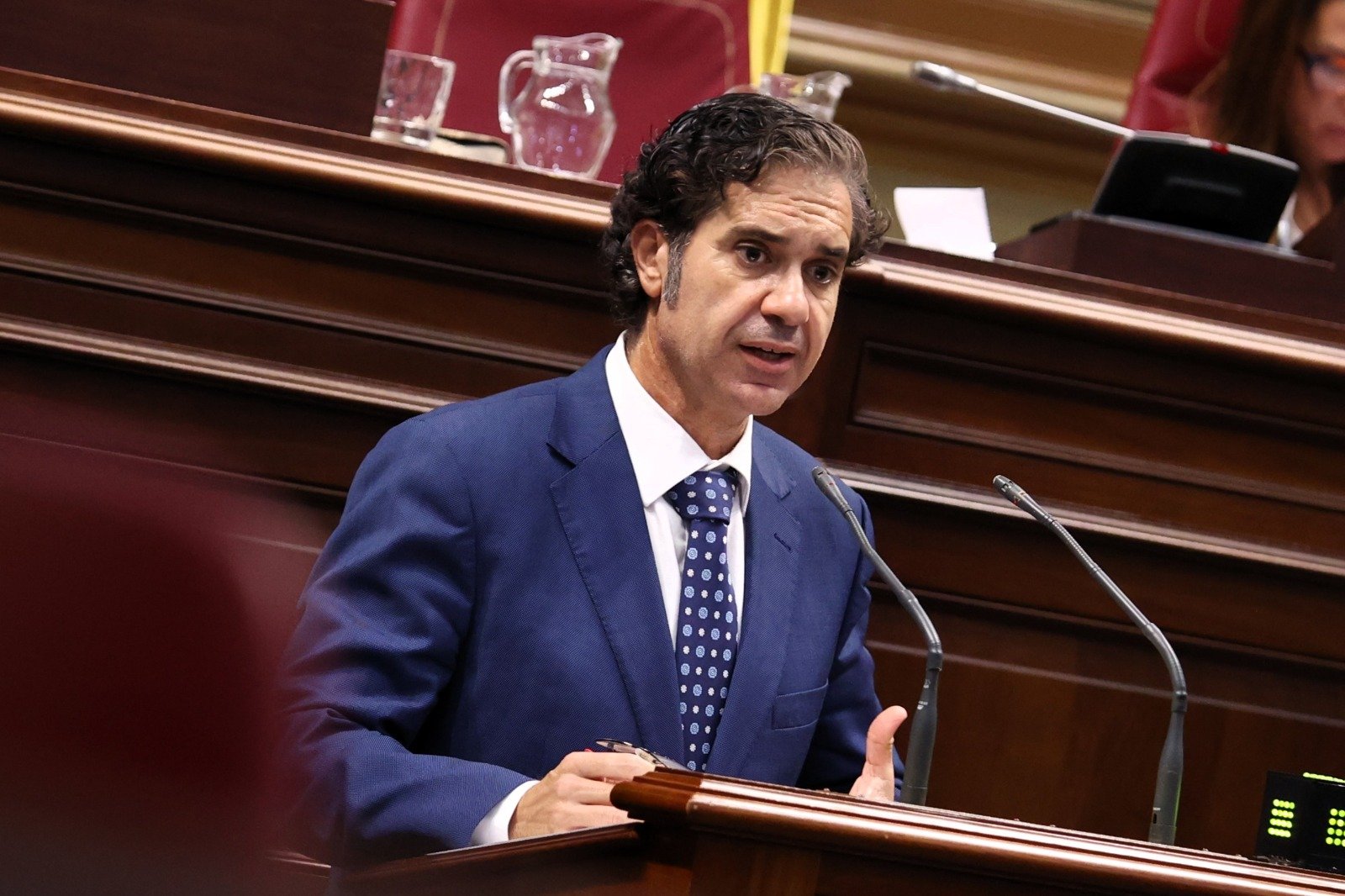
During his speech, the first vice president of the Cabildo of La Gomera, Adasat Reyes, highlighted that this publication "speaks of clay, but also of memory, it speaks of islands, but also of oceans; and it speaks of humble and everyday objects capable of containing an immense story."
Reyes stressed that the book allows us to look at “two territories separated by the Atlantic and united by a common practice: traditional pottery,” while highlighting the role of women in the conservation of this craft. In this sense, he stated that the work constitutes "an act of recognition to the pottery makers of La Gomera and Isla de Margarita, to the women who have sustained the gesture, the technique and the memory of a tradition transmitted from generation to generation."
Likewise, the first vice president stressed that the Atlantic appears in this research "not as a border, but as a space of continuity", recalling that the Canary Islands and America have shared routes, migrations, families, knowledge, words, music, beliefs and trades for centuries. “This book reminds us that islands are not isolated places, but nodes of relationship that look to the sea not only as a limit, but also as a path,” he said.
For her part, Pilar Hernández, director of the UNED Associated Center in Tenerife, recalled that the work arises within the framework of a project promoted by the University, through the Chair of Canary-American Studies of the Associated Center, focused on the comparative study of the pottery of El Cercado, in La Gomera, and that of Isla Margarita, in Venezuela. Thus, he explained that "the publication values pottery not only as manual work, but as an expression of identity, territory and collective memory, especially highlighting the role of women potters, whose work has contributed to transforming the cultural and social landscape of their communities."
Likewise, he insisted that the book "is the result of different visits, research and field work, and is presented as a collective work that brings together specialists from various fields with the aim of analyzing the similarities, differences and links between two Atlantic islands separated by thousands of kilometers, but united by a pottery tradition with notable points in common."
Publication details
The publication establishes a comparative dialogue between the ceramics of El Cercado de La Gomera and that of El Cercado de Isla de Margarita, in Venezuela, two island communities that share not only a common name, but also forms of artisanal production traditionally developed by women, without a wheel, using manual techniques and with notable parallels in their processes, materials and typologies.
Edited by Miguel Ángel García Hernández, director of the Chair of Canary-American Studies at UNED, the volume brings together contributions from specialists such as Juan Carlos García Ávila, Inmaculada Hernández Chinea, José Ángel Hernández Marrero, Juan Carlos Hernández Marrero, Juan Francisco Navarro Mederos, Víctor David Ocanto Rada, Grecy Pérez Amores and Patricia Velasco Barbieri.
The work has been promoted by the Chair of Canary-American Studies of the UNED-Tenerife, with the sponsorship of the Cabildo Insular of La Gomera and the CajaCanarias Foundation.
The book is the result of a research project developed in different phases since 2023, with field work, meetings between pottery communities, historical, anthropological, archaeological and heritage studies, as well as actions aimed at the conservation of the traditional kilns that are still preserved in El Cercado in La Gomera.