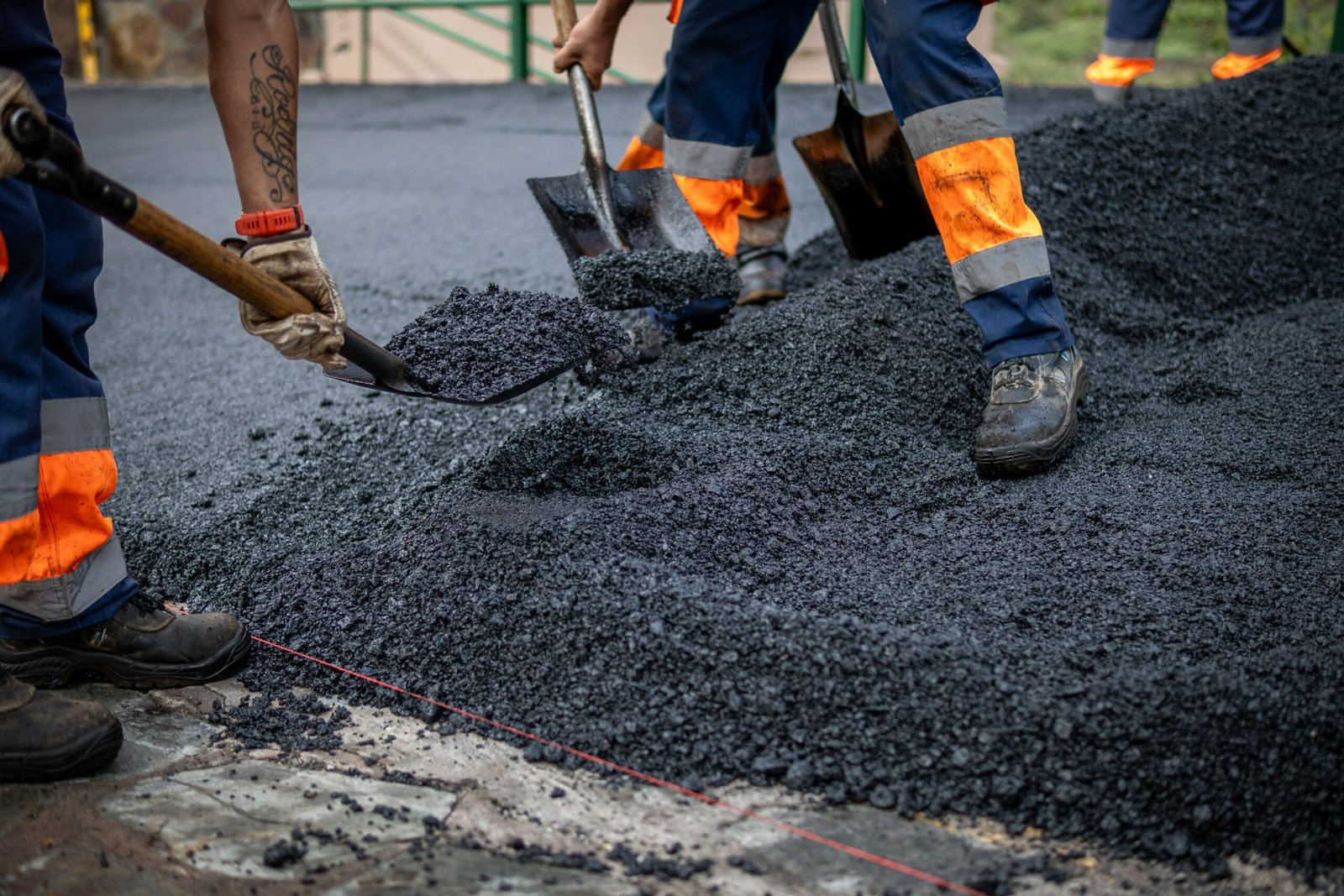

The instrument would finance the rehabilitation of homes, roads, water networks, on-demand transportation and the recovery of agricultural land.
Initiative for La Gomera (IxLG) proposes creating a multi-annual state fund against island rural abandonment, aimed at actions that keep the towns and midlands of the islands alive. The candidacy proposes that this financing cover the rehabilitation of homes, roads and water networks, as well as on-demand transportation, proximity services and recovery of agricultural land, with sufficient continuity to avoid dispersed and isolated interventions.
The training maintains that the future of rural areas depends on a combination of material conditions. Having a home is not enough if there is a lack of adequate roads, nearby services or transportation possibilities; Likewise, recovering a crop plot requires addressing the infrastructure that allows it to be worked. Initiative for La Gomera (IxLG) proposes treating these needs as parts of the same territorial strategy.
The multi-year nature of the fund is a central element of the initiative. The candidacy considers that rural recovery needs planning and stability, since the accumulated problems are not resolved with specific actions. His proposal is that state financing contributes to supporting local projects and coordinating efforts between the competent administrations without losing sight of the priorities of each nucleus.
«Our people need something more than good intentions. We are talking about roads, water, housing, transportation and services that allow us to continue living and working in the midlands. A multi-year state fund would give continuity to these priorities,” says Cristian Pomares Sánchez, second substitute for the Senate candidacy for the Initiative for La Gomera (IxLG).
Initiative for La Gomera (IxLG) links this measure with its commitment to family farming, local employment and the conservation of rural heritage. The objective is for public investment to help recover activity and improve the living conditions of those who remain in the territory, instead of considering abandonment as an inevitable consequence of insularity.