The action, coordinated through the Biosphere Reserve, has allowed the extraction of heavy metal waste and large diameter tires that affected this enclave of Alajeró
The intervention reinforces the commitment of the island Institution to the sustainability and conservation of coastal ecosystems in the face of marine pollution and uncontrolled discharges.
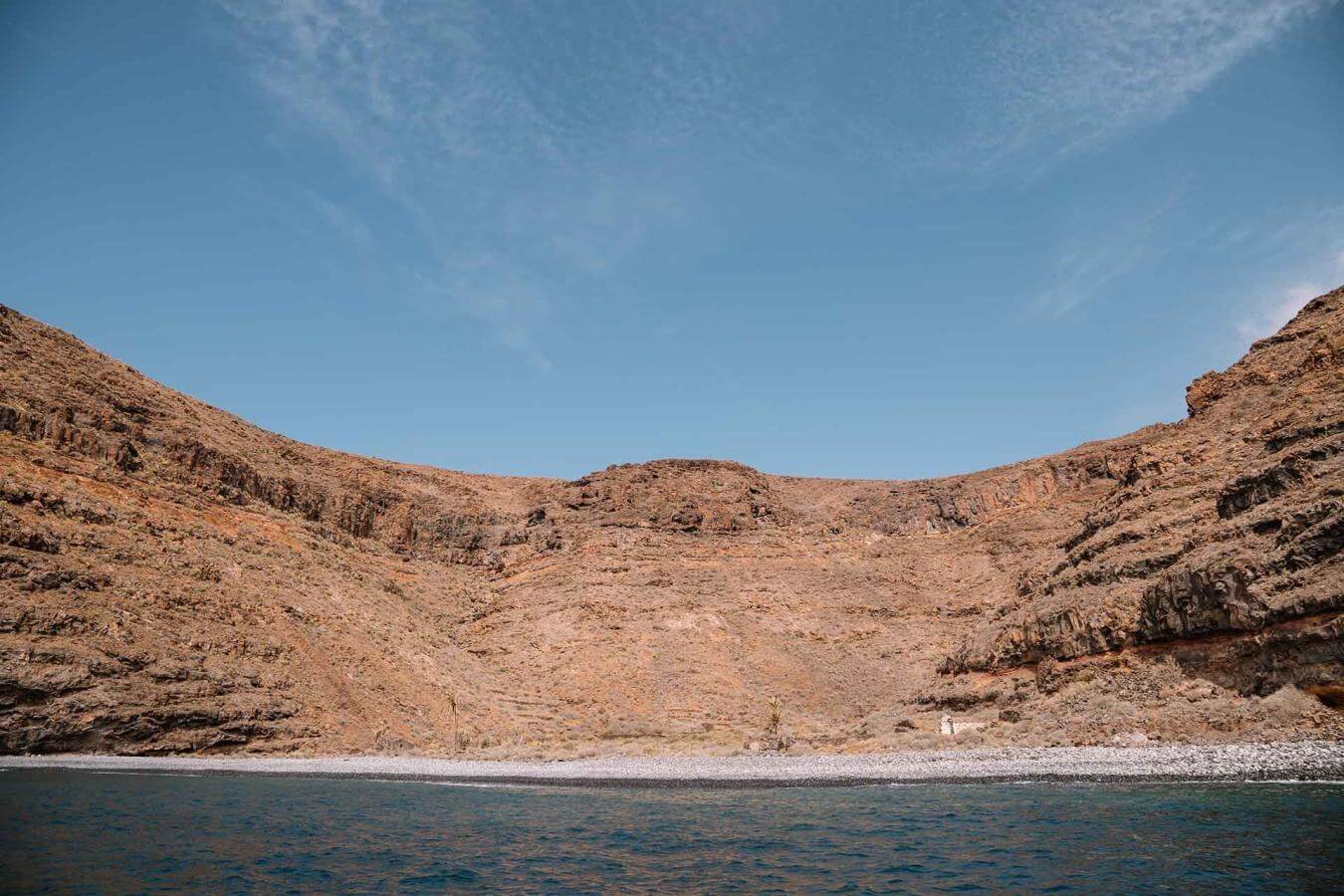
The Cabildo of La Gomera, within the framework of conservation actions for the Biosphere Reserve, has carried out the environmental recovery of Ereses beach, in the municipality of Alajeró. This intervention has achieved the environmental and landscape restitution of this environment of natural value that suffered from degradation due to the accumulation of industrial and hauled waste.
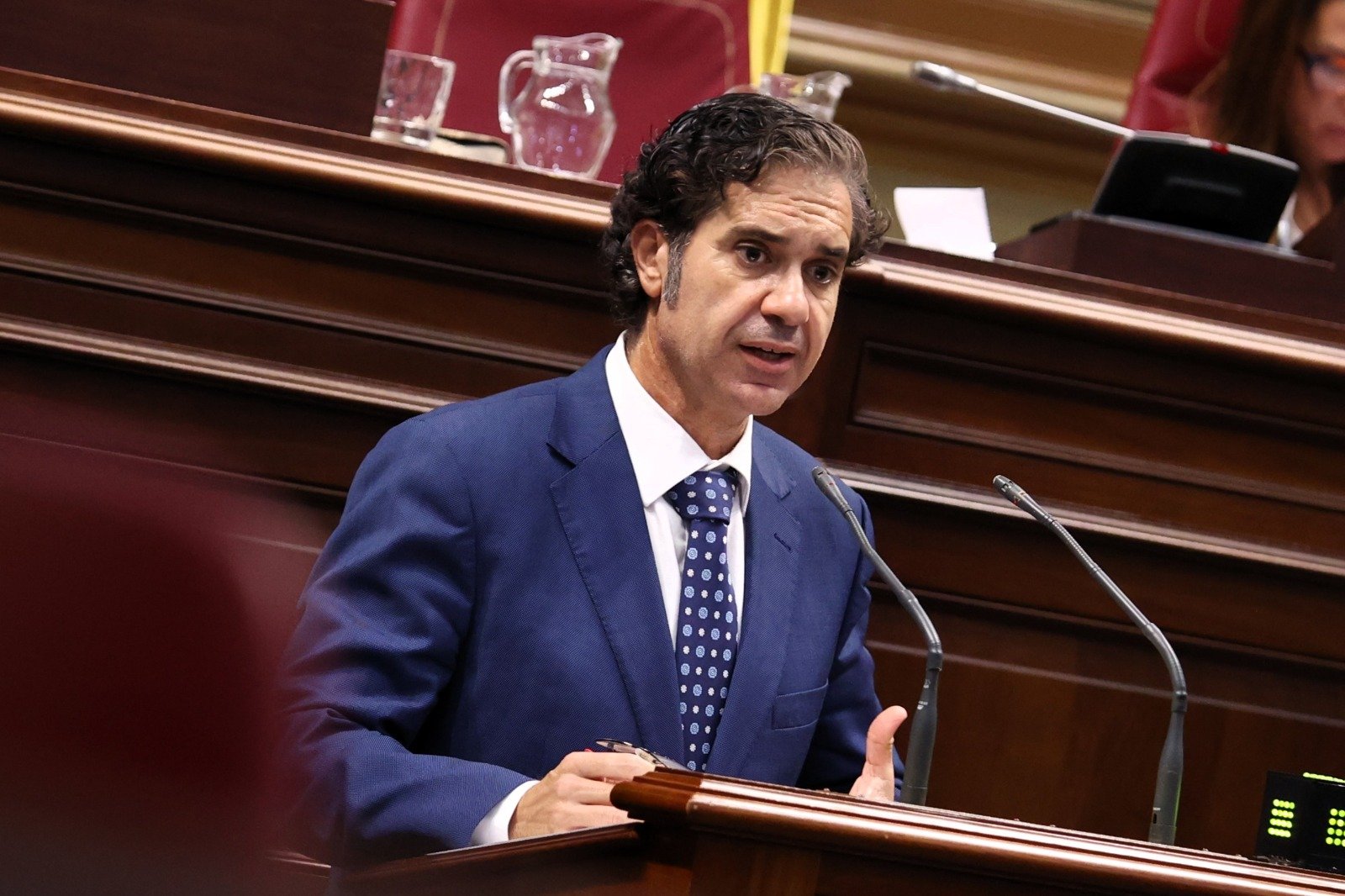
The island president, Casimiro Curbelo, highlighted the direct usefulness of these works for the health of the coast, but focused on prevention. "This intervention has been fundamental to eliminate a source of pollution that had been degrading Ereses for some time. We have removed more than a ton of waste that should not be there; however, this technical and economic effort loses its meaning if it is not accompanied by true citizen awareness," he said.
For his part, the island coordinator of the La Gomera Biosphere Reserve, Diego Chinea, explained that the work has allowed the removal of a total of 1,020 kilograms of metal waste and potentially dangerous materials. Among the extracted elements, deformed metal plates and casings of industrial machinery stand out, metal deposits in an advanced state of corrosion and remains of corrugated steel, large diameter tires with metal rims, and ferrous fragments embedded between the volcanic sediment and the beach callaos.
Given the difficulties of access to Ereses Beach and its irregular terrain, the operation required specialized manual intervention by operators with experience in coastal environments, supported by a logistics vessel. After several operational departures planned according to the tides, the waste was transported by sea to the port of San Sebastián de La Gomera. All recovered materials have been delivered to an authorized manager for correct treatment, recycling and recovery, thus guaranteeing full traceability of the process and avoiding new risks of marine dispersion.
This action can be described as structural environmental recovery since, by eliminating active sources of corrosion and pollution, biodiversity is actively protected and it is ensured that future generations can enjoy a clean and protected coastline.