The emergency action, declared by the City Council, has an estimated budget of 2.5 million euros and will be carried out in two phases: the initial actions already authorized and the final reconstruction pending to be defined with Costas.
The Valle Gran Rey City Council has begun the work to adapt the section of the maritime avenue and the mouth of the ravine affected by the damage caused by Storm Therese. The action was declared an emergency by the Municipal Plenary on April 14, 2026 and is coordinated with the General Directorate of Coasts and Management of the Canary Islands Maritime Space of the Government of the Canary Islands with an investment of 2.5 million euros.
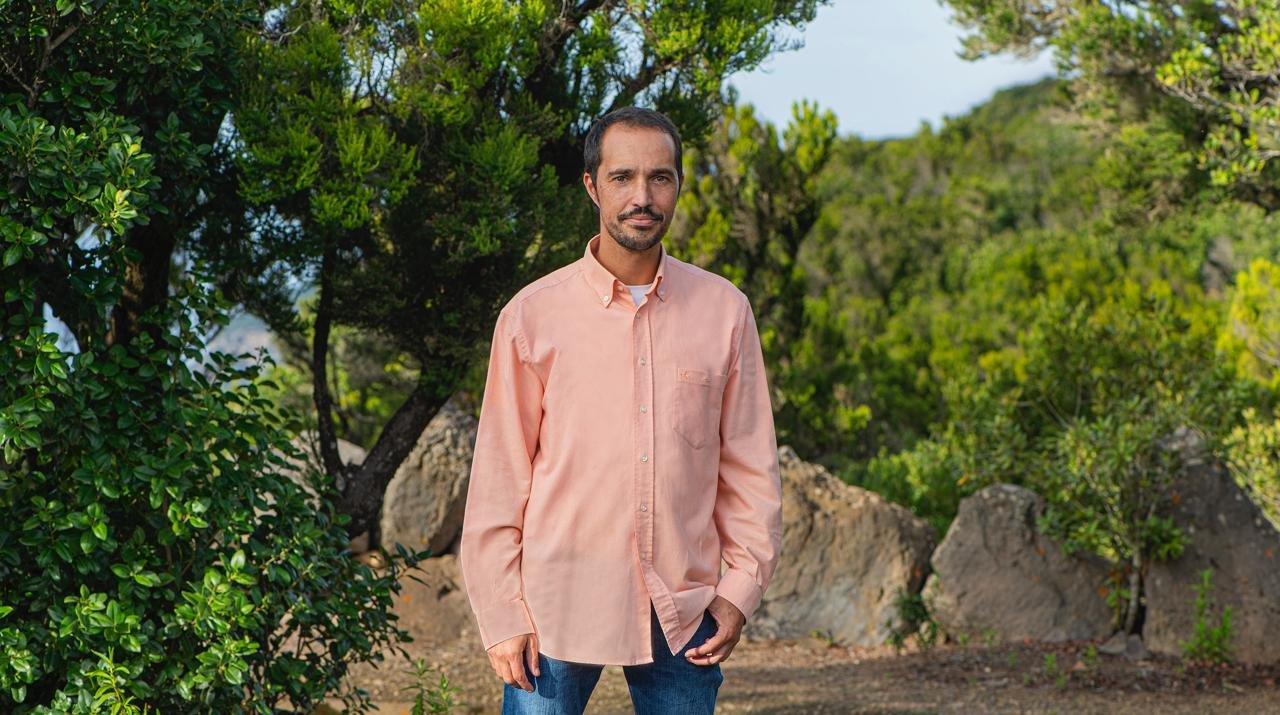
The mayor of Valle Gran Rey, Borja Barroso, highlighted that the start of this work "allows for an immediate response to a situation that affects security, mobility and the normal functioning of a fundamental area for the municipality." Barroso explained that “the City Council's priority has been to act quickly, but also with technical and administrative rigor, because this is a particularly sensitive area from an urban planning point of view.”
He explained that the performance has been divided into two parts. The first corresponds to the initial emergency actions, already authorized by the General Directorate of Coasts of the Government of the Canary Islands on May 20, and the second part will be the definitive reconstruction of the maritime avenue and the mouth of the ravine, which must be specified based on the technical criteria and authorizations determined by Costas.
The initial authorized works include signage, marking and closure of the affected area; access control from the promenade, the beach and the ravine surroundings; the execution of provisional accesses for machinery; emergency demolitions of walls or unstable structural elements; and provisional measures at the mouth of the ravine to regulate the flow of water in the event of possible new episodes of rain.
Barroso stressed that “the definitive phase must resolve not only the replacement of damaged infrastructure, but also its future protection.” In this sense, he pointed out that the City Council is working on different alternatives, including replacement in conditions similar to those existing before the storm or a different construction solution, such as a prefabricated overpass that allows road and pedestrian traffic to be maintained, while facilitating natural runoff from the ravine.
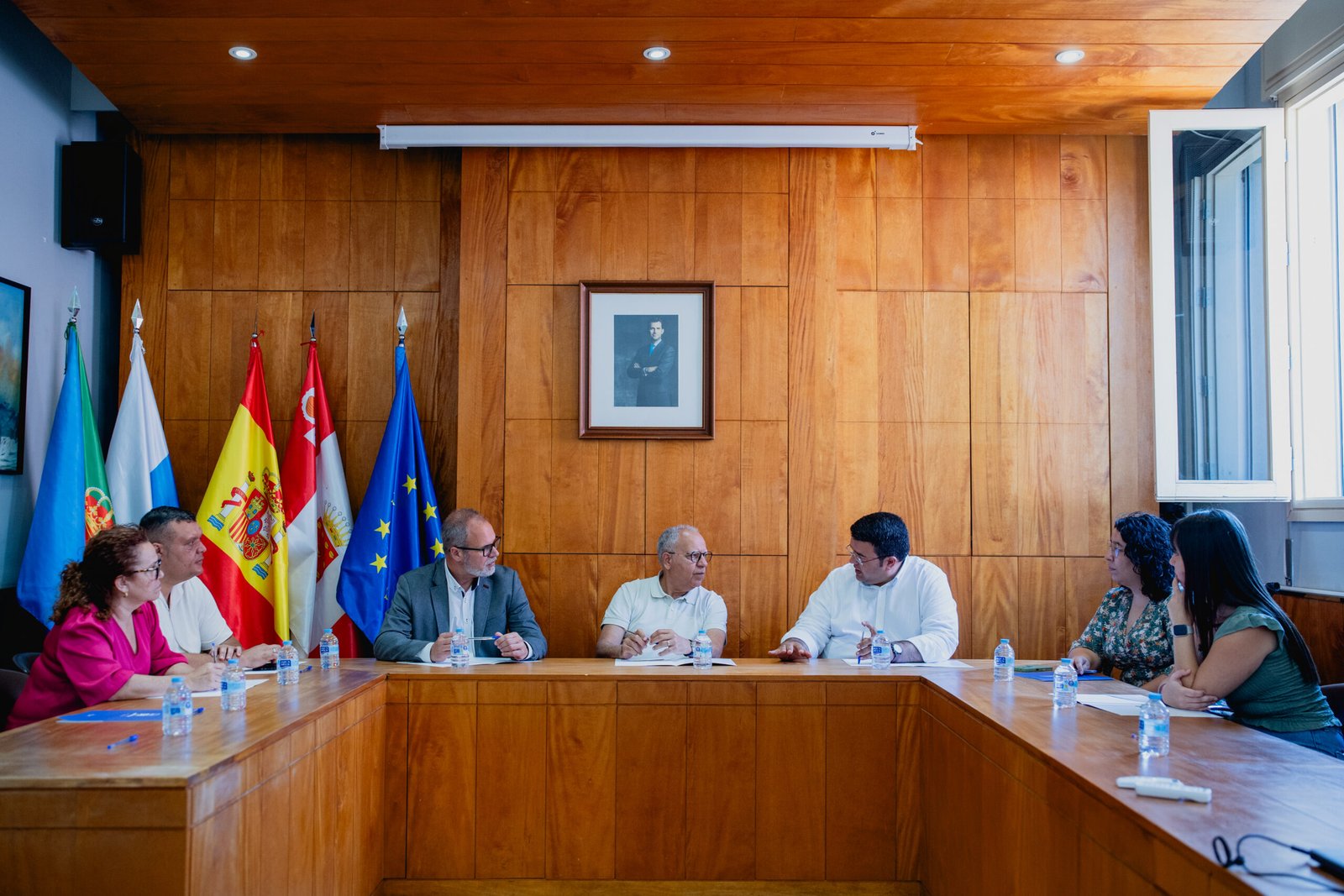
For his part, the president of the La Gomera Council, Casimiro Curbelo, stressed the importance of inter-administrative cooperation to respond to the damage caused by the storm and advance a stable solution for the Valle Gran Rey seafront. "We are facing an action that requires coordination, responsibility and common sense between administrations. It makes no sense for the public institutions themselves, especially those outside of La Gomera, to stop any attempt to adapt this coastal front, even more so when we are talking about damage caused by an adverse meteorological phenomenon and an area that requires an urgent response," he said.
Curbelo defended that “cooperation between administrations cannot remain a declaration of intent, but must be translated into agile authorizations, viable technical solutions and budgetary commitment.” In this sense, he explained that in addition to this action, the creation of shaded areas on the coast of La Gomera was also addressed.
The general director of Coasts and Maritime Space Management of the Government of the Canary Islands, Antonio Manuel Acosta, highlighted the institutional collaboration between the regional Executive, the Cabildo and the City Council to promote the recovery of a strategic environment for Valle Gran Rey, affected by the damage caused by the storm. As he explained, "the action seeks to make compatible the needs raised by the municipal corporation with the existing technical and administrative possibilities, advancing in a coordinated manner with Costas Canarias, the Cabildo and the City Council in the recovery of the exit from the ravine."
Acosta stressed that this intervention will allow the avenue and the coastline of the municipality to be valued, “not only as a transit space, but also as a key element for the tourist, economic and social development of the area.” Likewise, he recalled that, beyond the emergency work, "this environment will require new investments, for which the Government of the Canary Islands will maintain its collaboration through the authorizations and necessary inter-administrative support."
During the technical meeting, the emergency work for the replacement of the underground stormwater channel in the Cañada de El Entullo was also addressed. This intervention, with an investment of 160,000 euros, includes the cleaning of the ravine, the demolition of the affected channel, the removal of rainwater, the restitution of the channel and the paving of the affected area.