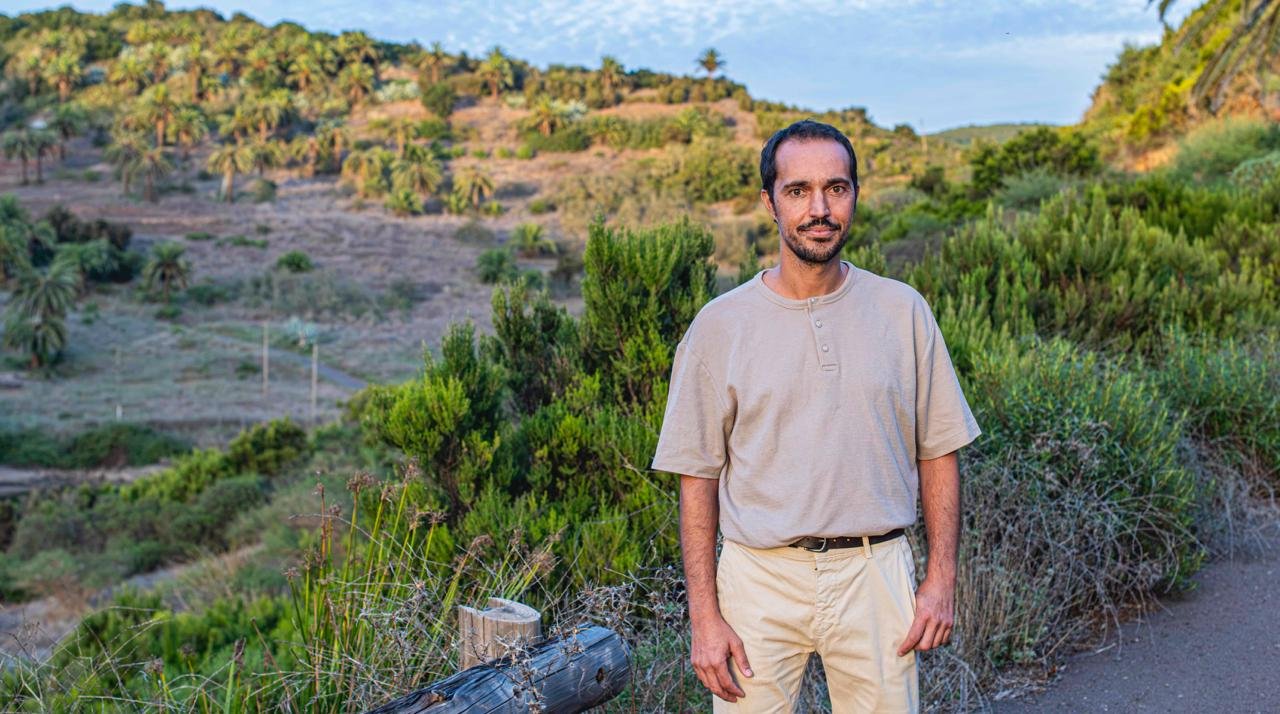

On Monday, Jesús Ramos, Deputy Spokesperson for the Agrupación Socialista Gomera (ASG) Parliamentary Group, argued that the future Canary Islands Universal Accessibility Law should take into account the archipelago's unique territorial features, especially those of the Green Islands, such as La Gomera, where the mountainous terrain and the dispersed population affect travel and access to services.
During the debate on the approval of the opinion on this bill in the Committee on Social Rights, Equality, Diversity and Youth of the Parliament of the Canary Islands, Ramos stressed the need to incorporate responses tailored to each territory. "Not all islands are the same," he pointed out, noting that mobility on the Green Islands requires "specific and individualized measures."
The ASG member of parliament explained that this territorial perspective is essential for the rights of people with disabilities to be effectively exercised. In this regard, he listed among the priorities making public transportation easier, accessing housing, receiving health care, and carrying out administrative procedures without obstacles.
Ramos considered it necessary to update a regulation that dates back to 1995, given the changes experienced by society, technologies, and means of transport. He also appreciated the support of all the groups for its processing and their willingness to engage in dialogue during the committee's work to achieve a broadly agreed-upon text.
To illustrate the scale of this issue, he cited the disability survey by the National Statistics Institute. Its data, corresponding to 2020, put the rate of people with disabilities in the Canary Islands at 115 per 1,000 inhabitants aged six or over. This figure underscores the importance of moving toward accessible environments and services.
Among the measures included in the text, the congressman highlighted the minimum reservation of 10% of accessible homes in certain subsidized housing developments, which he described as necessary. He also highlighted the provisions relating to public transport and communication, with tools such as sign language, accessible websites, and personalized assistance.
The ASG deputy spokesperson in the regional parliament insisted that accessibility goes beyond the removal of architectural barriers. In addition to overcoming steps or having ramps, it also means, as he put it, "being able to understand an administrative document." He therefore advocated a comprehensive vision that enables people to function independently in the various spheres of their daily lives.
Finally, Jesús Ramos acknowledged the work of the speakers and the House's legal services in incorporating the contributions of the parliamentary groups. He linked this shared effort to the goal of building "an increasingly cohesive and increasingly inclusive and just society."